
Plug & Charge:
Plug in. Charge. Drive on.
Nobody wants to search for a charging card before they can continue their journey. With Plug & Charge, compatible vehicles authenticate automatically at suitably equipped charge points. After successful authorization, the charging process starts – without manual authentication via app or charging card.
For CPOs (Charge Point Operators), this provides an additional, standardized and automated access method. The chargecloud OS supports Plug & Charge based on ISO 15118-2.
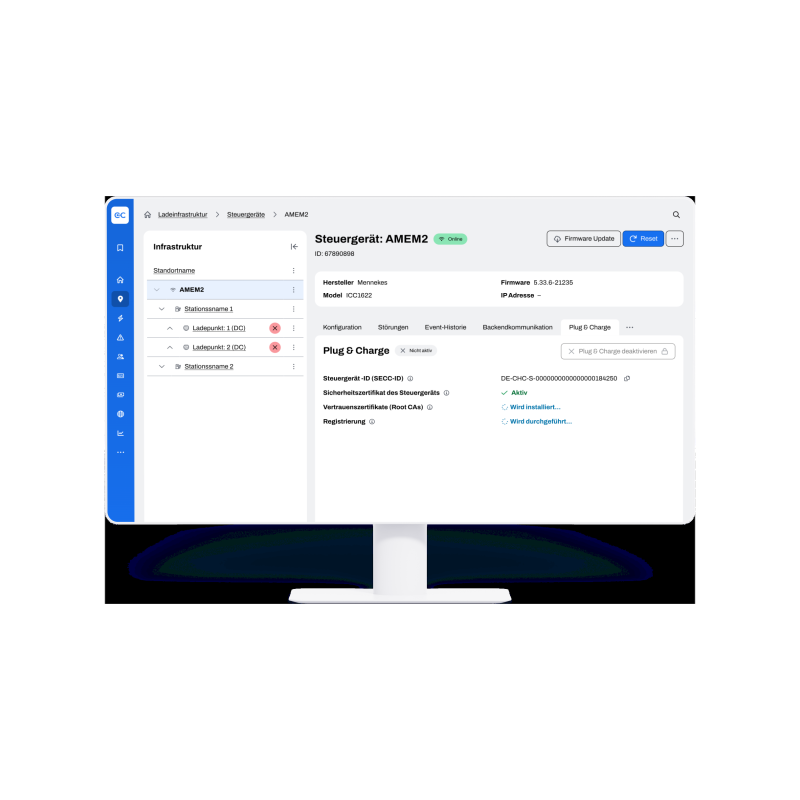
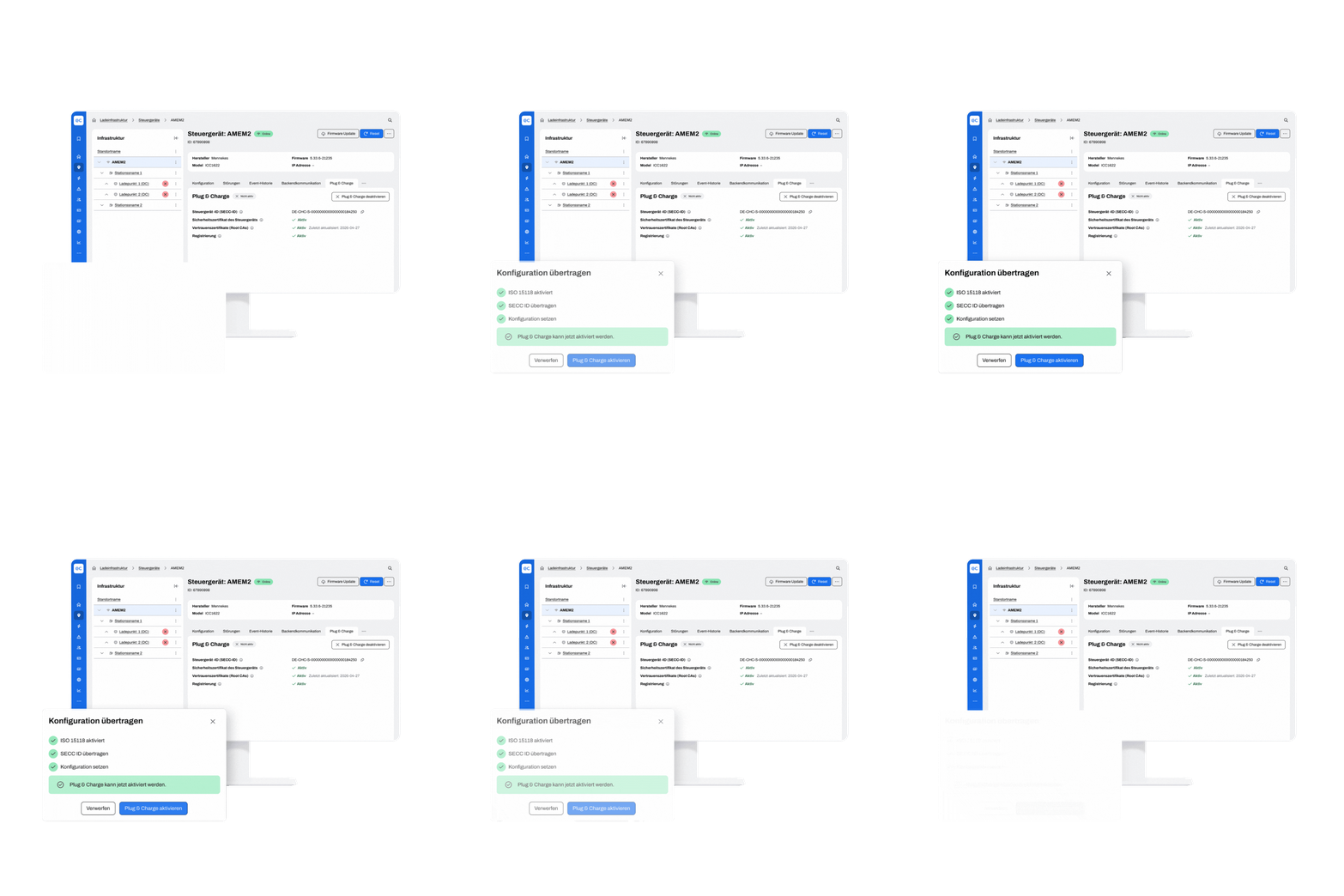
Simple charging – versatile in use
More convenience for drivers. An additional access method for CPOs.
With Plug & Charge in the chargecloud OS, you offer drivers a simpler start to charging. After plugging in, the vehicle authenticates automatically at the charge point. Manual authentication via app or charging card is no longer necessary. Prerequisite: the vehicle, charge point and charging contract all support Plug & Charge.
Plug & Charge complements the authentication options at your charge points. Drivers require a supported charging contract with an e-mobility provider (EMP) for this. Billing is also handled through this contract. Which charging contracts can be used at your charge points still depends on the applicable contractual and, where applicable, roaming agreements.
An additional access method for your charging infrastructure
Where charging is regularly contract-based, a simple start can make all the difference.
Public and semi-public charging: Offer contract customers additional access to your charging infrastructure.
Fleets and depots: Reduce manual steps for recurring charging sessions.
Growing charging networks: Complement your existing authentication methods with a standardized process.
Authenticate automatically instead of using a charging card or app
How automatic authentication works
Plug & Charge automates authentication at the start of charging.
Drivers do not need to carry a charging card or approve the charging process via app.
Plug in. Authenticate. Charge.
1. Connect vehicle
The driver plugs the vehicle into the charging station.
2. Exchange certificates
The vehicle and charge point communicate according to ISO 15118-2. Digital certificates enable secure authentication in the background.
3. Authorize charging
The contract certificate is verified and the charging process is authorized. Charging starts once authorization is successful. Billing is handled through the associated charging contract with the e-mobility provider (EMP).
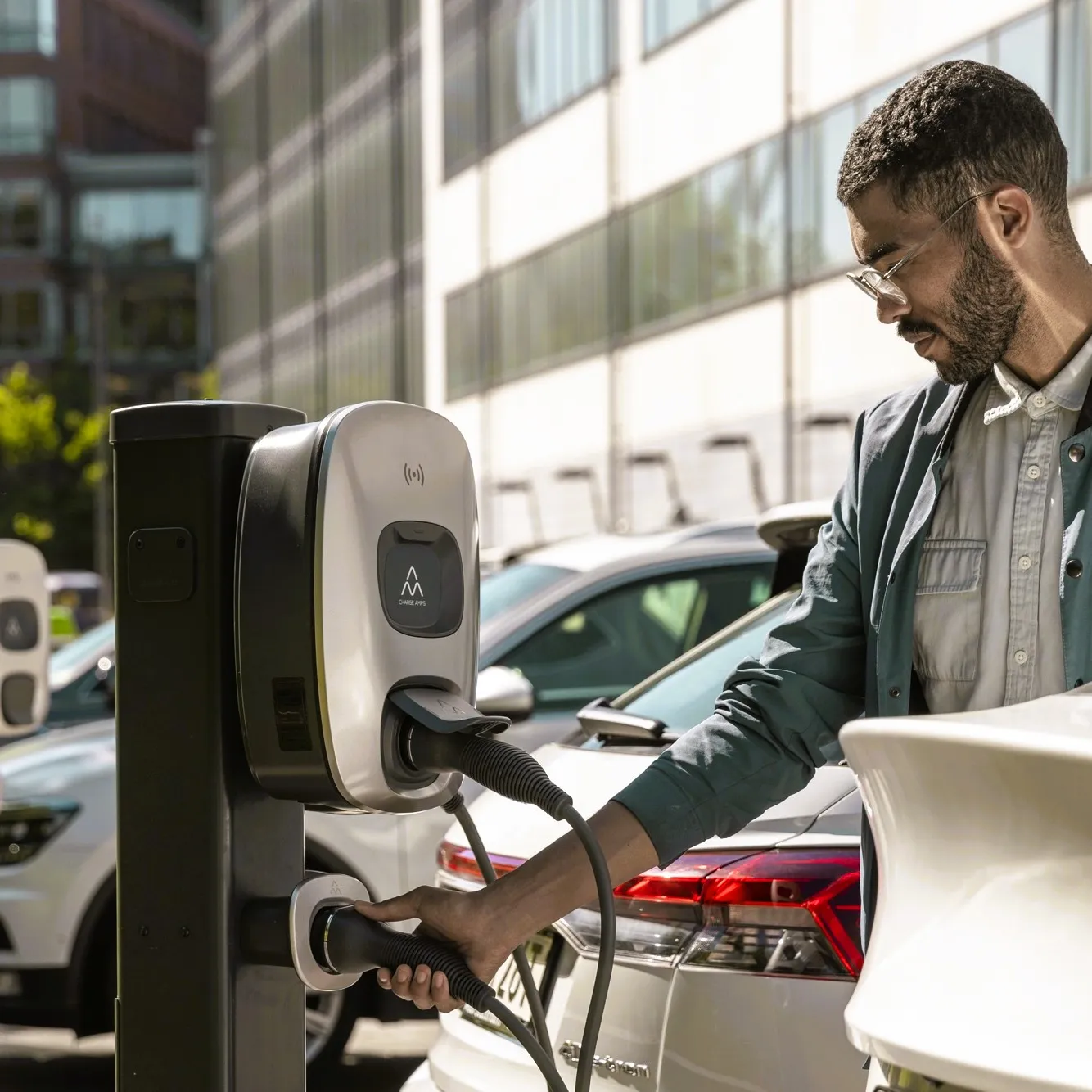
What your charging infrastructure requires
For Plug & Charge to work, the vehicle, charge point and backend must work together:
The vehicle supports Plug & Charge and ISO 15118-2
The charge point also supports Plug & Charge based on ISO 15118-2 and is configured accordingly
The backend supports Plug & Charge authentication
A supported Plug & Charge charging contract is in place, and the associated valid contract certificate is stored in the vehicle
Frequently asked questions about Plug & Charge
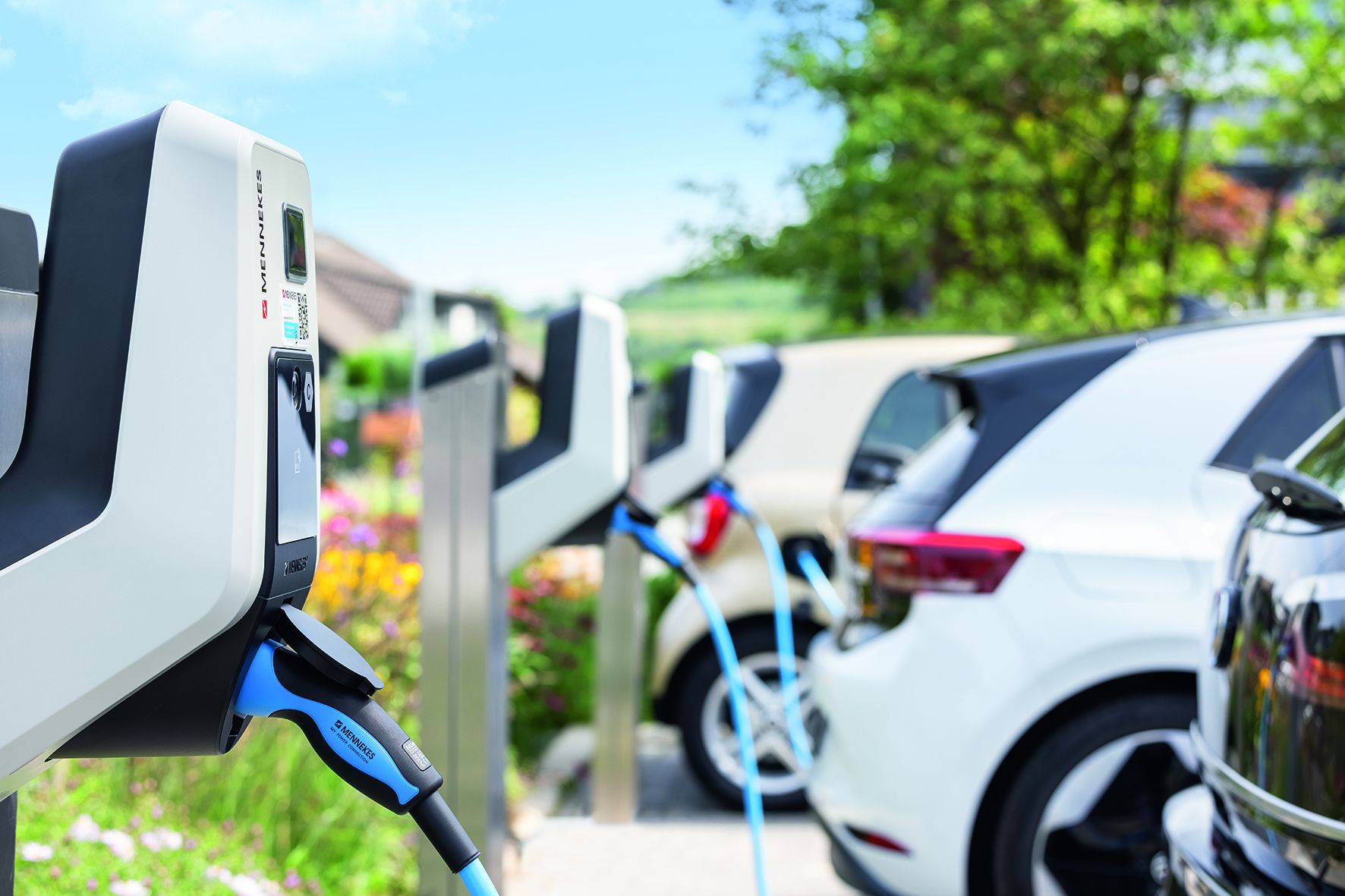
Ready for Plug & Charge?
Find out which of your charge points meet the requirements and how Plug & Charge fits into your operating model.